
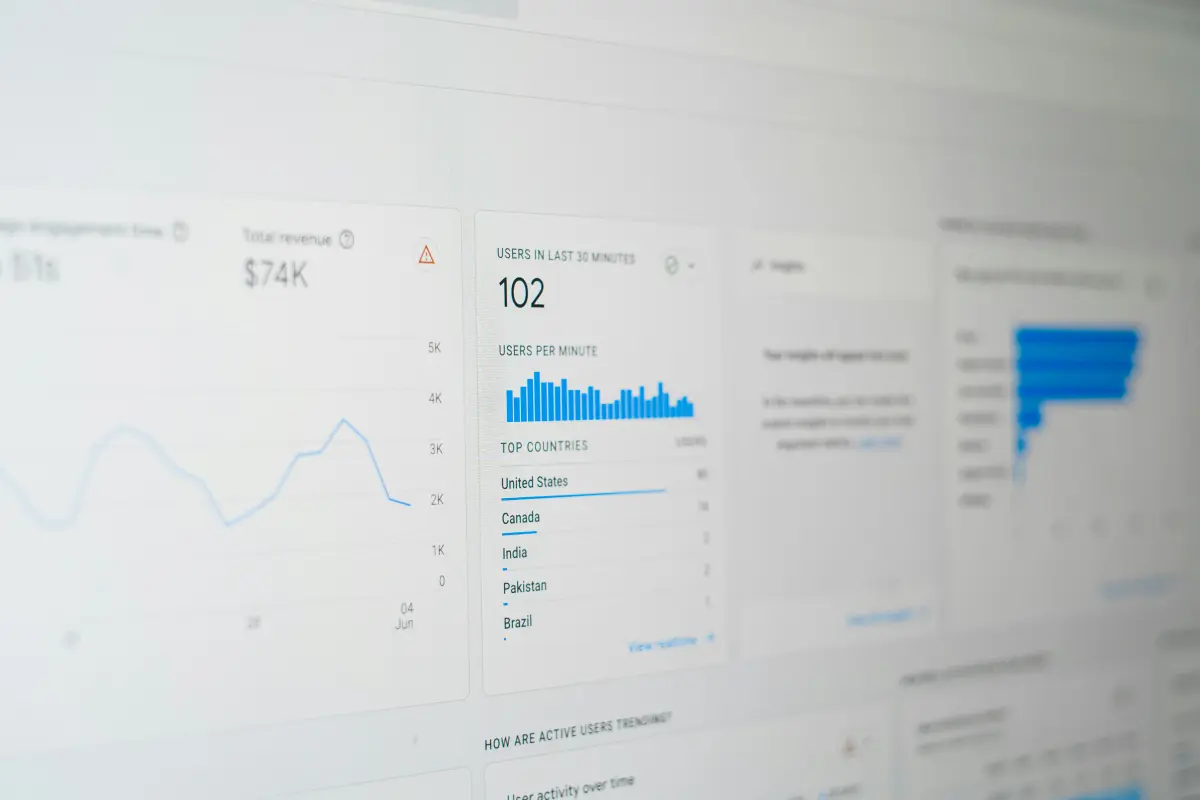
SEO is mainly a long-term strategy for building organic visibility and attracting qualified buyers over time. Google Ads, on the other hand, allows you to pay for search visibility and reach potential customers much faster. For many B2B companies, the best approach is not choosing one and ignoring the other, but using both at different stages of the growth process.
In my view, SEO builds the long-term foundation, while Google Ads provides faster market feedback and lead opportunities. When the two channels are connected properly, Google Ads data can also help improve SEO, while organic content and landing pages can improve the performance of paid campaigns.
What Is the Difference Between SEO and Google Ads?
The biggest difference is how your website gains visibility in Google search results.
SEO, or Search Engine Optimization, focuses on improving your website so that its pages can appear in Google’s organic search results. This involves keyword research, content, technical SEO, internal linking, website structure, backlinks, user experience, and other factors.
Google Ads uses paid advertising to place your ads in eligible search results when people search for relevant terms. You choose keywords, audiences, locations, budgets, bidding strategies, ad copy, and landing pages, then pay according to the advertising model and campaign setup.
For a B2B manufacturer, for example, SEO might help a product page rank organically for “industrial filtration equipment manufacturer,” while Google Ads can put an advertisement in front of people searching for the same type of solution much sooner.
The two channels therefore have different strengths. SEO is generally more focused on building organic visibility and long-term authority, while Google Ads is useful for capturing existing search demand quickly.

How SEO Works for B2B Companies
B2B SEO starts with understanding what potential buyers search for and what they need at different stages of the buying process.
Important keyword groups can include product keywords, manufacturer keywords, supplier keywords, application keywords, industry terms, comparison searches, and informational questions.
For example, a manufacturer could target keywords such as:
- industrial filtration equipment
- industrial filter manufacturer
- liquid solid separation equipment
- how to choose an industrial filter
- industrial filtration system supplier
Each important search intent should ideally be matched with an appropriate page. Commercial keywords may be better suited to product or solution pages, while informational searches can be addressed through educational content.
This is why B2B SEO is not simply about publishing more blog posts. A successful strategy connects keywords, website structure, content, product pages, internal links, and conversion paths.
If you want to build this process systematically, see our guide on how to create a winning B2B SEO campaign.
How Google Ads Works for B2B Companies
Google Ads works differently because you are paying for visibility rather than waiting for your pages to gain organic rankings.
For B2B companies, search campaigns are particularly useful when there is already measurable demand for the products or solutions you sell.
You can organize campaigns around different product lines, customer types, markets, or search intents. For example, a manufacturer might separate campaigns for product-specific keywords, industry applications, and brand searches.
Keyword matching also matters. Broad match can help discover additional search terms when managed carefully, while phrase and exact match can provide more control over mature campaigns. Negative keywords are equally important because they help prevent budget from being spent on irrelevant searches.
The landing page must also match the search. If someone searches for a specific product, sending them to a generic homepage often creates unnecessary friction. A dedicated product or solution landing page is usually a better starting point.
Google Ads therefore gives B2B companies a way to test keywords, markets, products, messages, and buyer intent much faster than waiting for organic rankings.
SEO vs Google Ads: Speed of Results
This is one of the clearest differences between the two channels.
With Google Ads, a properly configured campaign can begin generating impressions and clicks shortly after launch. This makes it useful when a company needs to test a new market, promote a product, or generate inquiries in the short term.
SEO usually takes longer. New pages need to be discovered, indexed, evaluated, and eventually compete with existing search results. Building authority and rankings can take months, particularly for competitive B2B keywords.
This does not mean Google Ads is always better. It means the two channels operate on different timelines.
Google Ads is better suited to immediate search visibility. SEO is better suited to building an organic asset over time.
SEO vs Google Ads: Cost
The cost structures are also different.
With Google Ads, you typically pay for advertising activity based on clicks or other campaign-specific actions. Your traffic can increase quickly, but continued visibility generally requires continued budget.
SEO requires investment in strategy, content, website development, technical improvements, and authority building. The initial investment may take time to produce results, but successful organic pages can continue generating traffic without paying for every individual click.
However, SEO should not be described as “free traffic.” Creating high-quality content, improving a website, conducting technical SEO, and earning relevant backlinks all require resources.
The more useful comparison is therefore not simply paid vs free. It is short-term acquisition cost vs long-term organic asset building.
SEO vs Google Ads: Traffic Quality
Neither SEO nor Google Ads automatically produces high-quality B2B traffic.
Traffic quality depends heavily on search intent and keyword selection.
A company can receive thousands of organic visitors and generate very few inquiries if it ranks for mostly informational searches that have little connection to its products.
The same problem can happen with Google Ads. If broad keywords attract students, job seekers, DIY users, consumers, or people looking for unrelated products, the advertising budget can disappear without producing qualified leads.
For B2B companies, the goal should therefore be qualified search traffic rather than maximum traffic.
Which Is Better for Long-Term Growth?
SEO generally has a stronger role in long-term organic growth.
A well-optimized product page can rank for multiple related searches. A useful article can continue attracting visitors months or even years after publication. A strong internal linking structure can also help distribute authority and guide users toward commercial pages.
Over time, a company can build a library of product pages, solution pages, technical guides, case studies, comparisons, FAQs, and other useful resources.
This creates an organic search asset that becomes increasingly valuable as the website gains content and authority.
For B2B businesses with long sales cycles, this is particularly useful because buyers often research suppliers long before they are ready to submit an inquiry.
Which Is Better for Fast Lead Generation?
Google Ads is usually the more direct option when a B2B company needs to reach existing search demand quickly.
Suppose a manufacturer enters a new European market and wants to test whether buyers are searching for a particular product. Waiting several months for SEO results may not be practical.
A focused Google Ads campaign can provide early data about search volume, keywords, locations, landing pages, and conversion behavior.
This makes paid search particularly useful during the market validation and SEO learning stage.
But speed does not replace strategy. A poorly structured campaign can generate clicks without generating qualified inquiries.
How SEO and Google Ads Use Keywords Differently
Both SEO and Google Ads depend heavily on keyword research, but they use the information differently.
For SEO, you may prioritize keywords based on search intent, relevance, competition, content opportunities, and long-term business value. You then map those keywords to pages and build content around them.
For Google Ads, you need to consider additional factors such as commercial intent, expected CPC, conversion potential, search terms, match types, negative keywords, and advertising performance.
This makes Google Ads valuable as a keyword testing environment.
If a search term consistently generates qualified inquiries through paid search, it may deserve greater attention in your SEO strategy.
Why Landing Pages Matter for Both Channels
SEO and Google Ads can both fail because of a weak website.
Imagine that a buyer clicks an advertisement for “hotel bed linen manufacturer” and arrives on a homepage that says only “Welcome to Our Company.” Even if the keyword is correct, the visitor still has to figure out what the company sells and whether it is relevant.
The same problem affects organic traffic.
A page can rank well but still generate few leads if the content does not answer buyer questions or provide a clear next step.
Strong B2B landing pages should explain the product or solution, target customers, key specifications, applications, advantages, trust signals, and next steps.
Clear CTAs such as Request a Quote, Talk to a Specialist, or Contact Us can then move qualified visitors into the sales process.
Use Google Ads Data to Improve SEO
This is one of the most useful reasons to combine the two channels.
SEO keyword research can tell you what people search for, but Google Ads can provide additional real-world performance data.
For example, after running a campaign, you may discover that one product keyword generates significantly more qualified inquiries than another keyword with higher search volume.
That information can influence your SEO priorities.
You may decide to improve the corresponding product page, create supporting articles, build internal links, and develop additional content around the same commercial topic.
In this way, Google Ads can help validate demand while SEO builds long-term visibility around validated opportunities.
Why B2B Companies Should Combine SEO and Google Ads
For many B2B companies, the strongest strategy is not SEO versus Google Ads. It is SEO plus Google Ads.
The two channels can support different stages of the customer journey.
Google Ads → capture immediate demand
SEO → build long-term organic visibility
Content → answer buyer questions
Product pages → support commercial intent
Landing pages → convert visitors
GA4/GSC/Google Ads → measure and improve performance
This creates a more complete search acquisition system.
For example, Google Ads can bring initial traffic to a product page. Visitors may then explore technical articles or case studies through internal links. Later, those same buyers may return through organic search when they continue researching the product.
This is much closer to how a real B2B buying journey works.
When Should You Focus More on SEO?
SEO deserves more attention when your company wants to build long-term organic traffic and has the time and resources to invest in content and website improvements.
It is particularly suitable when:
- Your target buyers actively search for your products or solutions.
- Your industry has a wide range of informational and commercial keywords.
- You want to reduce long-term dependence on paid traffic.
- You have useful technical knowledge or industry experience to publish.
- Your products have a long B2B research cycle.
- You want to build long-term brand authority in Google and AI search.
Manufacturers with complex products can benefit especially well because they often have many opportunities to create useful technical and application-based content.
When Should You Focus More on Google Ads?
Google Ads may deserve greater priority when you need faster results or want to test a market before making a larger SEO investment.
It can be useful when:
- You have an urgent lead-generation target.
- You are entering a new geographic market.
- You want to test product demand.
- Your website has limited organic visibility.
- You already know which commercial keywords are valuable.
- You have dedicated landing pages and a reliable conversion process.
However, you should make sure your conversion tracking is properly configured before judging campaign performance.
Common Mistakes B2B Companies Make
One common mistake is expecting SEO to generate immediate leads. SEO is usually a compounding strategy, so new websites should not be judged after only a few weeks.
Another mistake is treating Google Ads as a shortcut to guaranteed sales. Paying for clicks does not guarantee qualified leads. Keyword targeting, search terms, ad copy, landing pages, locations, negative keywords, and conversion tracking all matter.
Some companies also send every paid visitor to the homepage. This makes it harder to match the visitor’s search intent and can reduce conversion efficiency.
Another mistake is measuring both channels only by traffic. For B2B businesses, qualified inquiries, sales opportunities, and revenue are usually more meaningful than raw visitor numbers.
Finally, SEO and Google Ads should not be managed as completely isolated channels. The data from one can improve decisions in the other.
A Practical SEO and Google Ads Strategy
If I were building a search acquisition strategy for a B2B manufacturer from scratch, I would not immediately choose only SEO or only Google Ads.
I would start by analyzing competitors and researching keywords to understand the market. Then I would group keywords according to search intent and map important commercial terms to product or solution pages.
Next, I would build the basic website structure and optimize the key conversion pages. This includes product information, trust signals, CTAs, forms, internal links, technical SEO, and page performance.
Once the foundation is ready, Google Ads can be used to test high-intent commercial keywords and target markets. Search term data and conversion data can then help identify which opportunities are worth pursuing further.
At the same time, SEO content can be developed around validated product keywords, buyer questions, applications, comparisons, technical topics, and industry searches.
Over time, the goal is to shift more qualified demand toward organic search while continuing to use Google Ads where paid visibility provides a clear business advantage.
This approach connects SEO, Google Ads, content, website conversion, and data analysis instead of treating them as separate marketing activities.
Final Thoughts
So, SEO vs Google Ads for B2B companies—which is better?
If you need faster visibility and want to test commercial demand, Google Ads can be the better starting point. If you want to build sustainable organic visibility and reduce long-term dependence on paid traffic, SEO is usually the stronger long-term investment.
But for most B2B companies, I would not frame the decision as one or the other.
Google Ads can help you find and capture demand today. SEO can help you build an organic asset for tomorrow.
The strongest strategy is to use data from both channels to understand what buyers search for, which products generate demand, which pages convert, and where your marketing budget can create the most value.
If your B2B website needs both organic search visibility and paid search acquisition, you can learn more about our Google SEO services, explore our Google Ads services, or contact Orangeeweb to discuss your search strategy.